Retest Finds Zero Argan Oil in 'Argan Oil' From Major Retailers
The Soapery retested five 'argan oil' samples from major online retailers and found zero argan oil — matching its 2023 result of six failures from six samples.
- Words
- Amara Osei
- Photography
- Couleur / pixabay
- Filed
- Products & Tools
- Published
- Read
- 3 min read
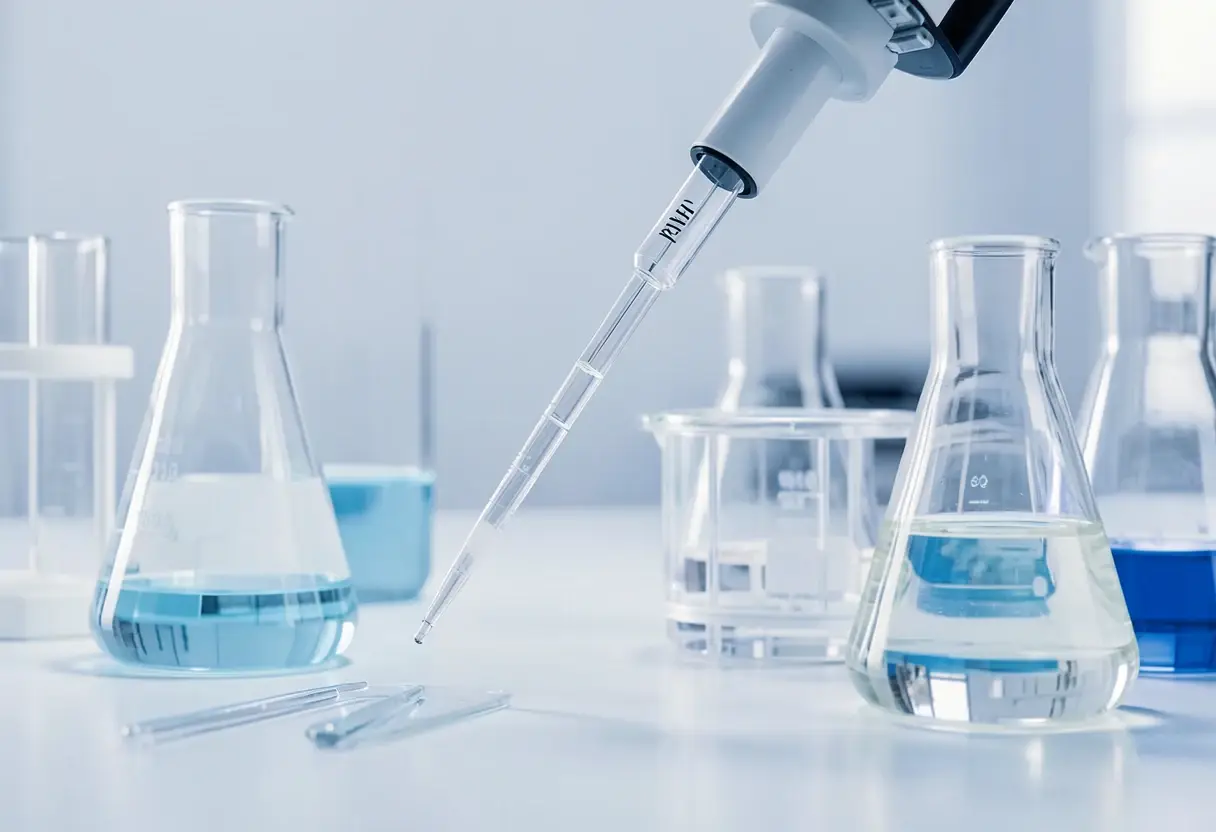
Two years after The Soapery's first investigation found no argan oil in six retail samples, the UK ingredient supplier retested five products from leading online retailers — and every sample failed again. Not one contained any argan oil.
The 2023 tests exposed a simple pattern. Sellers shipped blends of sunflower, palm and soybean oil, or in some cases straight sunflower oil, labelled as argan. The 2025 retest repeated the result across a fresh set of five samples. That's eleven purchases, two testing rounds, zero percent purity.
Why does argan oil get faked?
Genuine argan is expensive, and that price gap is the whole mechanism. Adulteration works by replacing a costly oil with cheap substitutes that look and pour like the real thing, then withholding the ingredient list from buyers further down the chain.
Andy Knowles, Director of The Soapery, said: "To reduce costs and increase profit, some producers make blends to resemble argan oil but then don't disclose the ingredients list to their buyers."
He added a stark market signal: "We've seen some people selling argan oil for a price you can't even buy argan nuts for in Morocco."
The blame doesn't stop at producers, in his view. The supply chain has checkpoints, and they're staying quiet.
"Many producers are misrepresenting the purity of their oils, but are retailers asking the right questions or simply looking the other way?" Knowles asked.
What does fake argan cost the salon and spa buyer?
For professionals, the stakes run past the invoice. Adulterated oils may not deliver the benefits advertised on the label — the fatty acid profile, the performance in formulation, the skin behaviour you specified when you chose argan in the first place.
Sensitive-skin clients carry extra risk. Substituted oils, Knowles warned, may increase the chance of adverse reactions compared with the pure ingredient you thought you had bought.
Then there's the plain commercial point. "If you're paying for pure argan oil, that's exactly what you should receive," The Soapery's materials state.
How can a buyer verify argan oil before purchasing?
The Soapery sets out two tests, and both sit with the supplier rather than the label.
- Traceability. Ask whether the argan oil is fully traceable to source. If it isn't, the supplier has no idea where the oil came from or what it actually contains.
- Independent analysis. Ask whether the supplier has run its own lab analysis on the oil. A supplier that hasn't is relying entirely on producer claims — from producers who may be deceiving them.
With a 100 percent failure rate across both testing rounds, The Soapery poses the question every buyer should put to their own account manager: would your supplier's argan pass the same test?
The company has published its findings in a blog post, "What is Argan Oil Made From? The Shocking Truth," for buyers who want the full method and results.
Two rounds, two years, and an unchanged result suggest this is not a bad batch problem. Until retailers and suppliers start demanding traceability and lab verification, buyers paying argan prices will keep receiving sunflower oil.
Source — Original: thesoapery.co.uk
More from Amara Osei
Show full bio
Market editor covering people, launches and day-to-day practice in Professional cutting, styling and color technique at Shear Daily.
74 articles