UK counterfeit cosmetics failures expose toxic ingredients
UK tests found 20 of 50 seized counterfeit cosmetics failed safety checks, with mercury, lead, nicotine, methanol and hydroquinone detected in products.
- Words
- Priya Raman
- Photography
- Bessi / pixabay
- Filed
- Industry & Market
- Published
- Read
- 4 min read
By Priya Raman
Twenty of 50 seized counterfeit cosmetic products failed safety checks—a four-in-ten failure rate—according to Trading Standards results cited in a new Intellectual Property Office (IPO) investigation.
The results identified potentially harmful or prohibited substances across skin care, make-up and fragrance. The IPO is highlighting them through its “Face the Fakes” campaign, which works with beauty industry organisations, scientific experts and social media creators to raise awareness of the risks.
Beauty salons, retailers and professionals across the UK are being urged to strengthen checks on the cosmetics they buy, use and sell. The products now linked to enforcement activity include skin care, make-up, fragrance, shampoo, conditioner and hair extensions.
What did the product tests find?
- Mercury in skin care: One counterfeit skin lightening cream contained 1.32% mercury, equivalent to 13,200 parts per million. Mercury is prohibited in cosmetics of this type, and repeated exposure through the skin can damage the kidneys and nervous system.
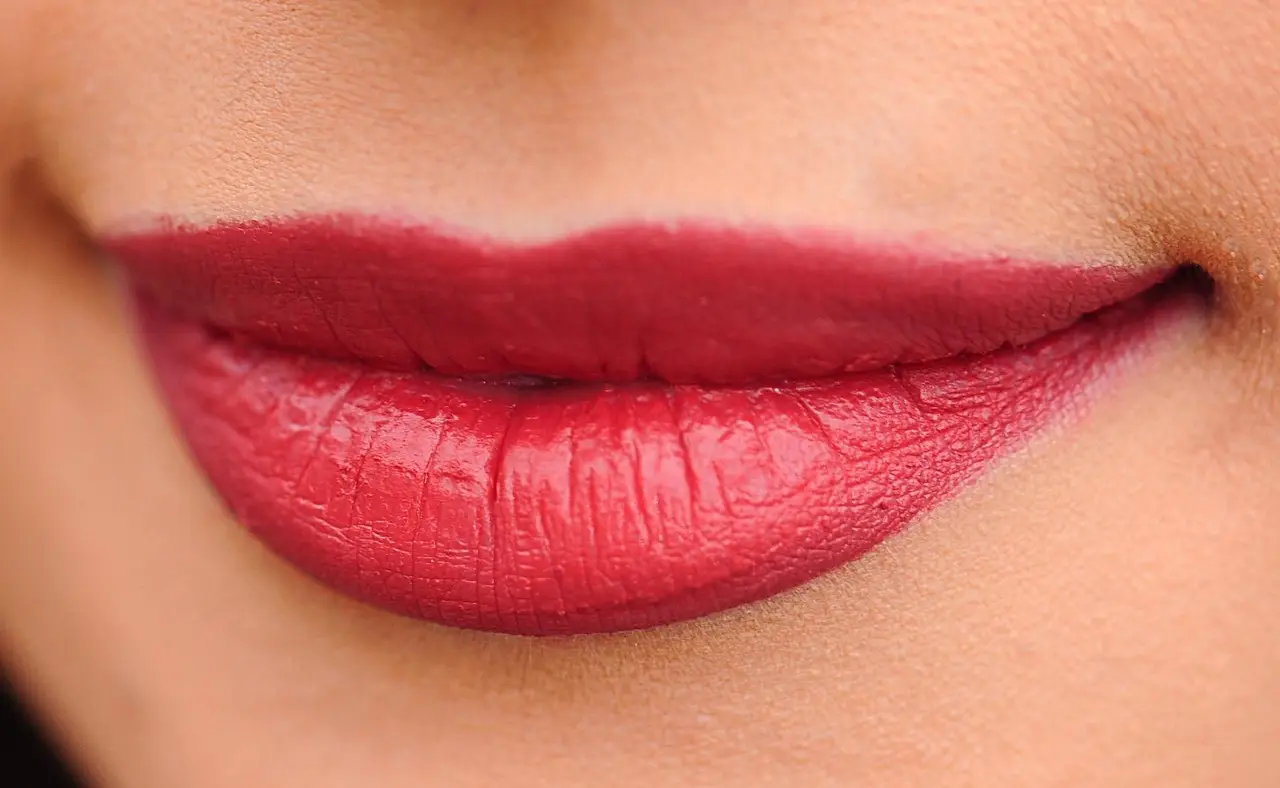
- Lead in make-up: Testing found high levels of lead in counterfeit lipstick, eyeshadow and contour products, including 40 mg/kg in one contour kit. Lead can build up in the body over time, potentially affecting the brain, nervous system and kidneys.
- Nicotine in perfume: Testing detected nicotine in a counterfeit perfume despite nicotine being prohibited in cosmetics.
- Methanol in fragrance: One counterfeit fragrance contained around 80% methanol. The toxic alcohol can be absorbed through the skin or inhaled; at sufficiently high exposure, it can cause serious poisoning, including damage to the nervous system and eyesight.
- Hydroquinone in skin care: One counterfeit skin lightening cream contained 8.1% hydroquinone, a chemical prohibited in cosmetic skin lightening products in the UK. It can cause irritation and, with repeated use, potentially permanent changes to skin pigmentation.
Takeaway: Counterfeit status matters because the products can contain ingredients that legitimate safety rules exclude from cosmetics.
Why are beauty products a priority?
Cosmetics, skin care and perfumes sit among Trading Standards’ ten most commonly investigated counterfeit goods. For professional buyers, that makes product authentication a recurring issue across both salon supplies and retail ranges.
British Beauty Council CEO Millie Kendall said:
“The UK beauty industry puts enormous care, creativity and expertise into creating products that people love and can use with confidence.
“Safety and trust run right through our industry, from the brands developing products to the retailers and professionals bringing them to consumers.
“Counterfeiters trade on the reputation and creativity that brilliant beauty businesses have worked hard to build, without meeting the same standards.
“We want everyone to enjoy beauty and feel confident about what they are buying, and we are proud to support ‘Face the Fakes’ and help more people buy from sources they can trust.”
Takeaway: Counterfeiters can trade on a legitimate brand’s reputation without meeting its standards, which makes supplier verification a safety issue.
What did the enforcement seizures show?
In a July 2026 raid in Manchester, the Police Intellectual Property Crime Unit and Greater Manchester Police seized 1,666 counterfeit hair products from a warehouse. The haul included hair extensions, shampoo and conditioners.
The Manchester raid followed a Bolton operation in which Trading Standards officers seized £2m worth of counterfeit goods from a production facility in a commercial property. Those goods included perfume, cosmetics, clothing and vapes.
Takeaway: The seizures show that salon-use products are not outside the counterfeit problem.
What changes for salon and retail teams?
Dr Emma Meredith, Director-General of the Cosmetic, Toiletry and Perfumery Association (CTPA), said:
“There is a rigorous safety framework behind every legitimate cosmetic product sold in the UK.
“Ingredients are carefully controlled; products undergo a safety assessment, and companies have clear legal responsibilities for the products they place on the market.
“A huge amount of work happens behind-the-scenes to make sure people can use their cosmetics with confidence.
“Counterfeit products can bypass those safeguards, which is why knowing who you are buying from and choosing trusted sources matters.”
Her recommendation gives salons, retailers and beauty professionals a specific purchasing responsibility: establish who supplies a product and choose trusted sources before items enter the salon or reach consumers. For hairdressing businesses, the Manchester seizure makes shampoo, conditioner and hair extensions concrete categories for closer supplier checks.
Looking ahead: As awareness rises through Face the Fakes, salons and retailers that build supplier checks into routine purchasing will be better placed to keep unsafe counterfeits off the salon floor and beauty counters.
Source — Source: Cosmetics Business
More from Priya Raman
Show full bio
Senior reporter covering money, funding and market shifts around Professional cutting, styling and color technique at Shear Daily.
81 articles