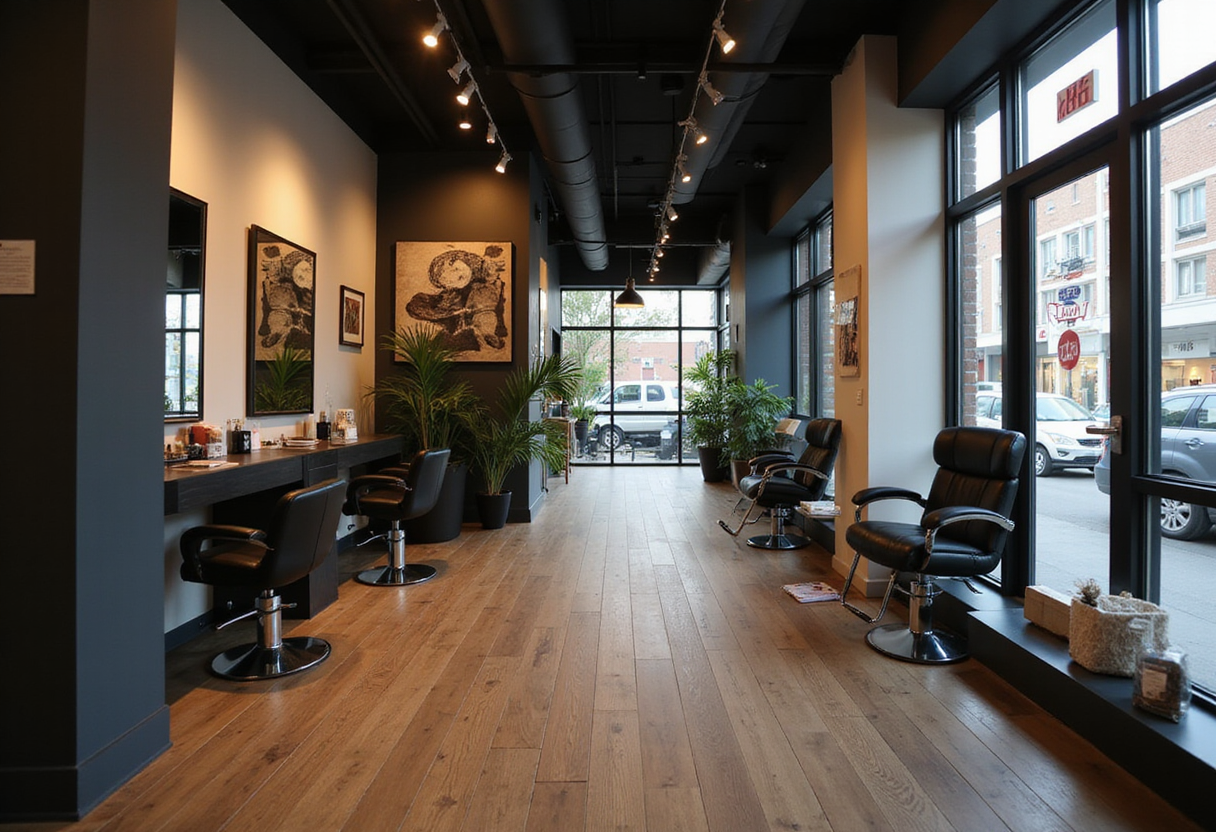
Salon Boom Is Filling Empty UK High Street Units, Report Finds
A new report finds beauty businesses are filling vacant UK high street units, as a boom in salons absorbs space left by departing retail chains.
- Words
- James Calloway
- Photography
- AI-generated
- Filed
- Salon Business
- Published
- Read
- 2 min read
Updated
A new report finds the beauty sector is plugging gaps on UK high streets, with a boom in salons absorbing units that retail chains have vacated. The findings position hair and beauty businesses among the few categories still expanding a physical footprint in town centres.
The report, covered by The Independent, points to a surge in salon openings across Britain. Beauty businesses — hair salons, barbershops, nail bars and treatment rooms — are taking over spaces left behind by struggling retailers, filling voids that have grown as conventional high street operators close branches or exit the market altogether.
Why can beauty businesses move in where retail retreats?
The dynamic reflects the structural difference between service retail and goods retail. Hairdressing and beauty treatments cannot migrate online, so demand that once supported a handful of established salons now sustains a broader spread of outlets, from independent operators to expanding chains. When a fashion or electronics retailer hands back a lease, a salon can often occupy the unit with comparatively modest fit-out requirements and a service model built around local, repeat footfall.
The report's framing is simple: the sectors still growing on the high street are the ones whose product is the appointment itself. Beauty fits that profile, and its expansion is visible in the growing number of salon-fronted units on high streets that have otherwise lost national retail names.
What does this mean for the professional hair sector?
For salon owners and stylists, the trend signals both opportunity and competition. More units available at potentially softer rents improves the economics of opening a first salon or relocating an existing one. At the same time, a boom in openings means more competition for the same local client base, sharpening the premium on retention, referral and specialism — the factors that determine which new salons convert a high street presence into a durable book of business.
For landlords and local authorities, beauty operators have become a fallback tenant class of real consequence: businesses that generate daytime and weekend footfall, employ locally, and sign multi-year leases rather than pop-up terms. The report positions the sector not as a niche filler but as a substantive component of what now keeps high streets trading.
Is the boom sustainable?
The report does not forecast an endpoint, but the underlying logic suggests durability. Services that require hands, chairs and physical presence continue to resist the shift online that has hollowed out goods retail, and beauty demand has proven resilient through successive pressures on consumer spending. If vacancy rates stay elevated, the salon sector is likely to remain the most willing taker of high street space — and the category landlords court hardest when a retail tenant walks.
Source — Source: Google News: Salon business