Beauty salons are filling empty UK high street units, report finds
A new report finds beauty businesses are filling vacant UK high street units, as the booming salon market becomes a core occupier class for landlords.
- Words
- Olivia Hart
- Filed
- Salon Business
- Published
- Read
- 2 min read
Updated
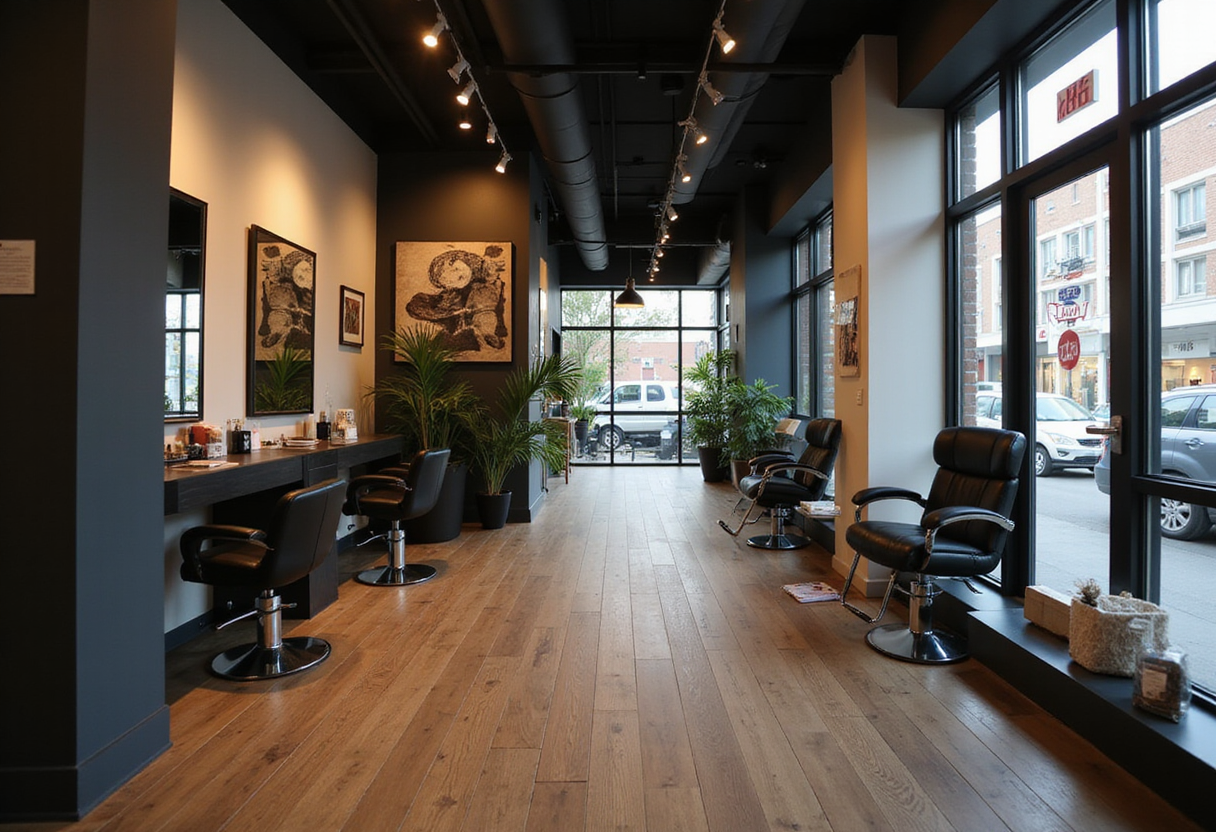
Beauty businesses are taking over vacant high street units across the UK, according to a new report that identifies the salon market as one of the strongest-growing categories on the nation's retail parades.
The findings point to a structural shift in how British high street property is used. As conventional retail chains have contracted their physical footprints, beauty operators — hair salons, barbershops, nail bars, brows-and-lashes studios and aesthetic clinics — have moved into the gaps, signing leases on units that might previously have gone to fashion or electronics retailers.
Why are salons expanding while other retail retreats?
The report frames the salon boom as a function of what beauty services cannot do online. Haircuts, colour work, extensions and hands-on treatments require a physical appointment, which gives salons a resilience that product-led retail has lacked as e-commerce has taken share. A salon's revenue depends on booked chair time and repeat visits, not footfall-driven impulse purchases.
For landlords, that makes beauty tenants attractive. Service businesses sign leases, fit out the space and generate regular weekday and weekend traffic — a proposition that has grown more valuable as the number of empty units on UK high streets has climbed.
What does this mean for salon owners and stylists?
For independent owners and franchise operators, the market conditions described in the report cut two ways. Demand for professional hair and beauty services is supporting expansion, and availability of high street premises gives growing businesses more choice of location and, potentially, more negotiating power on rent than in previous cycles.
At the same time, a booming market tends to attract more operators. New salon openings in newly vacated units increase local competition for clients and for qualified staff — a pressure point for owners running commission-based teams or booth-rental structures alike, since both models depend on keeping chairs occupied at productive rates.
The report's headline conclusion — that the beauty sector is "filling gaps" in the high street — also signals where the profession sits in the wider economy: no longer a peripheral category, but a core occupier class that landlords and local authorities now factor into town-centre planning.
What comes next?
The report's authors present the salon market's growth as an ongoing trend rather than a post-pandemic spike, suggesting the sector's high street presence will continue to expand as long as consumer spending on professional beauty services holds up.
For stylists, salon managers and educators, the practical takeaway is that the commercial environment for opening or relocating a salon is currently favourable — with premises more available than in recent memory — while the competitive environment is tightening in step.
How the balance between expansion and competition plays out will depend largely on whether client demand grows quickly enough to fill the additional chairs now opening across Britain's high streets.
Source — Source: Google News: Salon business
More from Olivia Hart
Show full bio
Correspondent covering industry trends and analytics at Shear Daily.
33 articles