2026 Budget offers salons rates relief, but no youth employment help
The 2026 Budget lifts Small Business Rates Relief to £18,000 and freezes business rates in real terms, but a 3.9% wage rise leaves beauty employers and young workers without fresh support.
- Words
- Priya Raman
- Photography
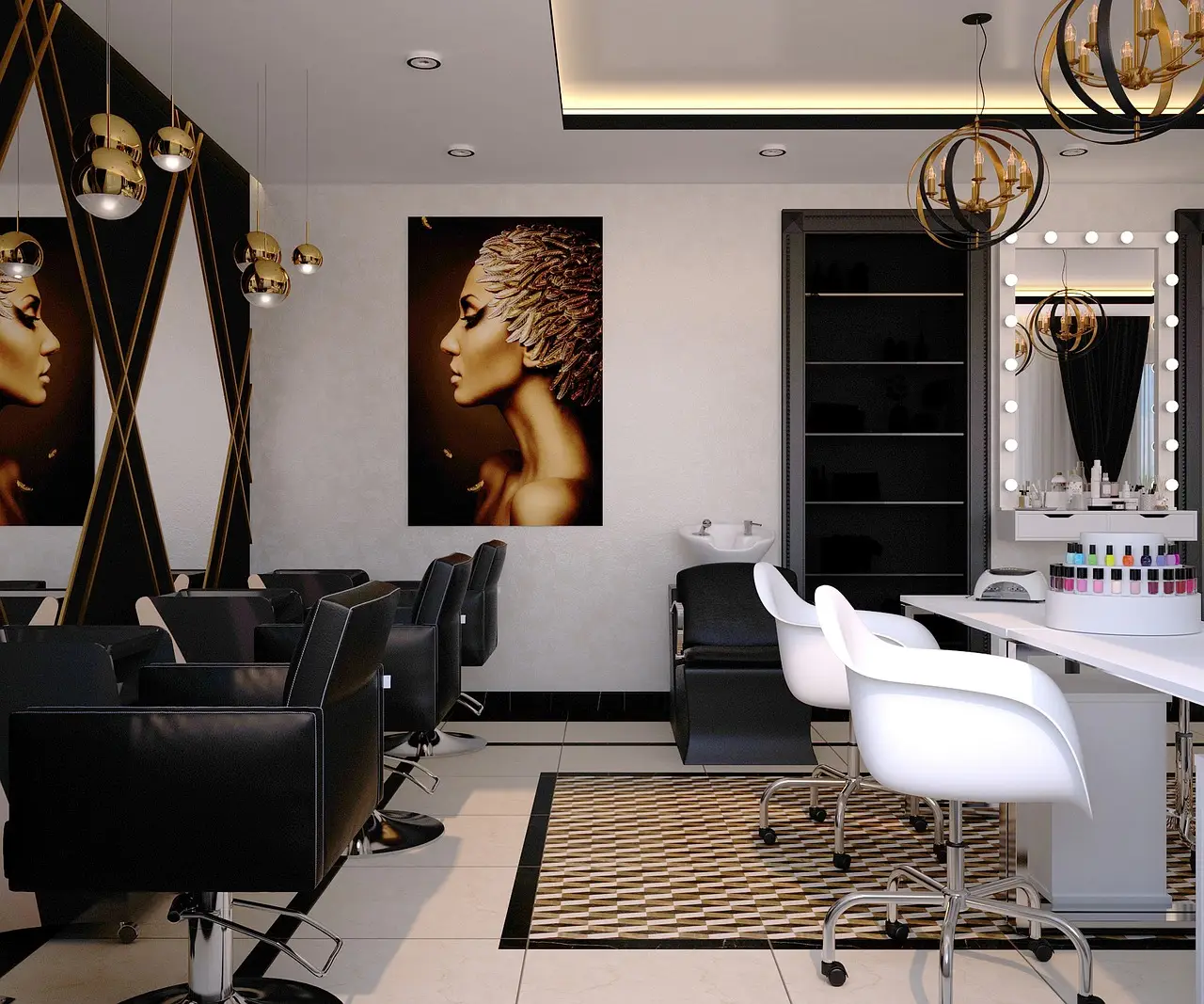
- bigpromoter / pixabay
- Filed
- Industry & Market
- Published
- Read
- 5 min read
By Priya Raman
The 2026 Autumn Budget raises the Small Business Rates Relief threshold from £12,000 to £18,000, moving an estimated 2,000 more businesses out of paying business rates.
Chancellor of the Exchequer John Healey unveiled the package in the House of Lords on 28 October, with breathing space for embattled businesses and households as its stated aim.
The government will fund the package by tightening action against non-compliance on online marketplaces and increasing gambling tax on higher-risk machine games. Stricter VAT compliance should also make it harder for offshore sellers to undercut UK beauty retailers, product creators and stocked salon shelves.
What changes for beauty businesses?
Around half of approximately 50,000 salons already benefit from Small Business Rates Relief. Millie Kendall, CEO of the British Beauty Council, expects the higher threshold to bring a further 2,000 businesses out of paying rates.
The government will freeze business rates in real terms and extend its business-rates transitional relief fund. Kendall said those measures should ease pressure on the 191,200 establishments across the beauty industry.
In practice, more eligible premises avoid rates, while a real-terms freeze cushions businesses above the threshold.
What does the wage rise mean for employers?
On 1 April 2027, the National Living Wage will rise 3.9% to £13.21 per hour. The government says that adds £910 to gross annual earnings for a full-time worker on the NLW.
Stephen Springham, partner in retail research at Knight Frank, said an anticipated rise was not automatically welcome. He called the predictable increase a further cost pressure for retail and hospitality, contrary to the government's drive to reduce operating costs, and likely inflationary.
Springham put the rise at 49p, or 3.9%, to £13.20; the government figure above is £13.21. He said 3.9% exceeded headline inflation of 3.5%, but sat below the running yearly average increase of 5.2%. Since 2012, he said, the minimum wage had risen 113%, against 25% growth in retail sales volumes.
For employers, the rise adds a predictable wage bill to already intense pressure on operating costs.
Does the Budget support founders and employers?
The official Budget 2026 document says the package will support the next wave of British start-ups and scale-ups through a tax offer for founders and their companies. The government will use strategic public procurement and promotion to back British firms. It will also develop a skilled domestic workforce and help talent move where employers need it, supporting career opportunities.
Kendall welcomed funding commitments for female entrepreneurs and founders. She said: “The council has been proud to connect these vital voices with the Government and Treasury officials to secure new investment to help businesses to start, scale and stay in Britain.” She added that a particular focus would be improving smaller firms' access to finance.
The figures behind that support are stark: 86% of the beauty sector's innovators and entrepreneurs are female founders, and 95% of the sector comprises SMEs. Kendall said the Budget reflects stability, but gave established employers little relief.
She also criticised the absence of measures for youth employment and for businesses employing workers generally. Employers need support, she argued, rather than an expectation that the sector will absorb every fiscal shortfall.
The package backs new ventures, but established salons still lack direct relief for hiring and youth employment.
Why do small-business groups say it falls short?
Zain Hanif, a tax lawyer at Freeths, called the rates-threshold increase a boost for smaller retail, hospitality and leisure operators. He said removing rates from more premises offers meaningful breathing space as operators manage wages, property and daily running costs. Hanif noted the change broadly reflects inflation and had been anticipated.
He also expects greater devolution to give local and regional leaders more power to shape rates around local economies. Hanif called the announcement a positive signal for businesses investing in high streets and communities, while cautioning that details still matter.
Tina McKenzie, national chair of the Federation of Small Businesses, said the Budget did nothing to ease high energy bills or make hiring more affordable. She also said the government did nothing to remove taxes that restrict job creation, and that too many small firms remained outside relief. McKenzie said: “There was nothing today anywhere near big enough to change that gloomy outlook.”
Her latest research found 47% of small businesses expect revenue to shrink in coming months, compared with 22% expecting growth. Firms were three times as likely to plan headcount reductions as increases, at 18% against 6%. McKenzie welcomed the rates relief for businesses newly lifted out of charges, but said the package missed the government's growth ambition for every postcode.
Relief for some ratepayers has not changed the dominant expectation of shrinking revenue and restrained hiring.
Which high-street pressures remain unresolved?
Springham said limited movement on business rates did not coincide with a ratings revaluation. Multipliers and bands were already fixed apart from inflation, leaving the Chancellor with few levers on rates. He said raising the threshold may help small traders and sole operators but will not resolve underlying high-street pressure.
He also noted disappointment among pubs, nightclubs and music venues, which received no additional rate relief. Other hospitality sectors did not receive the extension despite facing the same financial and operational strain. The combination leaves the beauty sector's 191,200 establishments with some rates relief but a rising wage floor.
The next clear test comes on 1 April 2027, when the higher wage floor takes effect. Whether that cost outweighs the rates savings will shape hiring, retention and the Budget's value to salons.
Source — Original: gov.uk
More from Priya Raman
Show full bio
Senior reporter covering money, funding and market shifts around Professional cutting, styling and color technique at Shear Daily.
81 articles