BASF lifts Evonik offer to €24 a share as Evonik scouts Ashland takeover
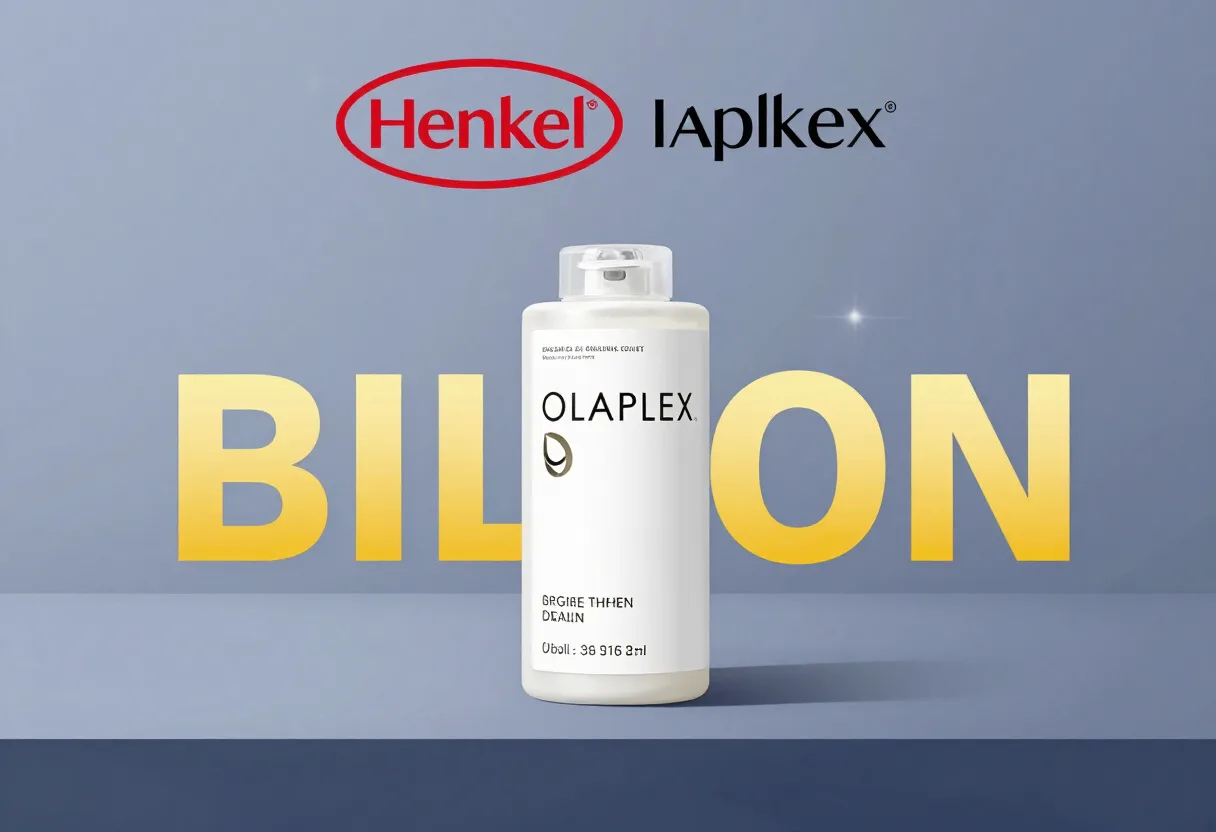
BASF has raised its Evonik bid from €22.15 to €24 per share, valuing the firm at €11.18bn, while Evonik's advisors scout a takeover of Ashland to cut European dependence.
- Words
- James Calloway
- Photography
- 652234 / pixabay
- Filed
- Industry & Market
- Published
- Read
- 3 min read
BASF has raised its offer for Evonik to €24 per share, up from an original bid of about €22.15, valuing the Essen-based specialty chemicals producer at roughly €11.18 billion ($12.5 billion) according to Reuters. Evonik rejected BASF's initial approach — a bid of around €10.3 billion — as too low.
The raised bid lands as Evonik pursues an acquisition strategy of its own. German business newspaper Handelsblatt reports, citing sources, that Evonik has hired investment banks Perella Weinberg Partners and JP Morgan to scout the market for suitable takeover targets, including Ashland, the New York Stock Exchange-listed US personal care ingredients maker.
For Evonik, the attraction is strategic rather than defensive. According to Handelsblatt's sources, a potential Ashland acquisition would reduce Evonik's dependence on the European market.
Is Evonik's interest in Ashland a defence against BASF?
No, according to the Handelsblatt sources. They explicitly denied that the Ashland review is a defensive move against Evonik itself becoming the subject of a takeover by BASF, its German rival. Evonik's review of Ashland began well before BASF made its approach, the sources said.
The timeline supports that account. Ashland has been in play since at least August, when it was said to be exploring a potential sale after attracting takeover interest from several private equity companies. The ingredients maker reportedly appointed Citigroup and Lazard as advisors while weighing approaches from:
- Advent
- Apollo Global Management
- Carlyle Group
- Standard Industries
That field of suitors means Evonik would enter any process for Ashland competing against financially backed bidders with established track records in specialty chemicals — a structurally different contest from a bilateral negotiation.
What does the raised BASF offer change?
The increase from about €22.15 to €24 per share narrows the gap between BASF's valuation and the price at which Evonik's board judged a sale viable. The move from roughly €10.3 billion to about €11.18 billion represents an uplift of approximately 8.5 percent in headline value — a meaningful step, though Reuters' framing leaves open whether Evonik now regards the figure as sufficient.
Evonik has not, according to the reporting, publicly responded to the revised offer. BASF's first bid was rejected as too low, which sets a clear benchmark: any accepted price must clear the threshold that €10.3 billion failed to meet.
Employment terms have entered the negotiation alongside price. BASF said it would honour existing agreements to preserve jobs made by Evonik in the event of an acquisition — a commitment aimed at one of the most sensitive variables in any German industrial merger.
The company's employee representation has framed the test in broader terms. Sinischa Horvat, works council chairman at BASF, said in a statement: "Any potential takeover of Evonik must be judged on the basis of the prospects it opens up for the companies, their sites and, above all, for the workforce."
That statement signals that internal scrutiny at BASF will run parallel to the external negotiation with Evonik — the works council's criteria extend beyond price to site-level and workforce outcomes.
What happens next?
Three processes now run concurrently. BASF must decide whether €24 per share is its ceiling or whether further movement is possible. Evonik, advised by Perella Weinberg Partners and JP Morgan, must determine whether Ashland is attainable against private equity competition and at what valuation. And Ashland's own advisors, Citigroup and Lazard, must weigh whether a strategic buyer such as Evonik offers better value than the financial sponsors already at the table.
For suppliers and formulators in the personal care ingredients channel, the outcome of both transactions could redraw ownership maps: a BASF-controlled Evonik would concentrate further specialty chemicals capacity in Ludwigshafen's orbit, while an Evonik-owned Ashland would shift a major US ingredients platform under European ownership.
Neither deal is agreed. Both now carry explicit price markers — €24 per share for Evonik, and an Ashland valuation yet to emerge from a competitive field of at least five identified bidders.
Source — Original: reuters.com
More from James Calloway
Show full bio
Staff writer covering money, funding and market shifts around Professional cutting, styling and color technique at Shear Daily.
79 articles