Welsh laser-service provider fined £8,950 in first prosecution
A Bridgend salon became the first in Wales prosecuted for unregistered laser services, with 19 treatments found after an HIW stop order and an £8,950 fine and costs for its owner.
- Words
- Olivia Hart
- Photography
- Alterfines / pixabay
- Filed
- Industry & Market
- Published
- Read
- 4 min read
By Olivia Hart
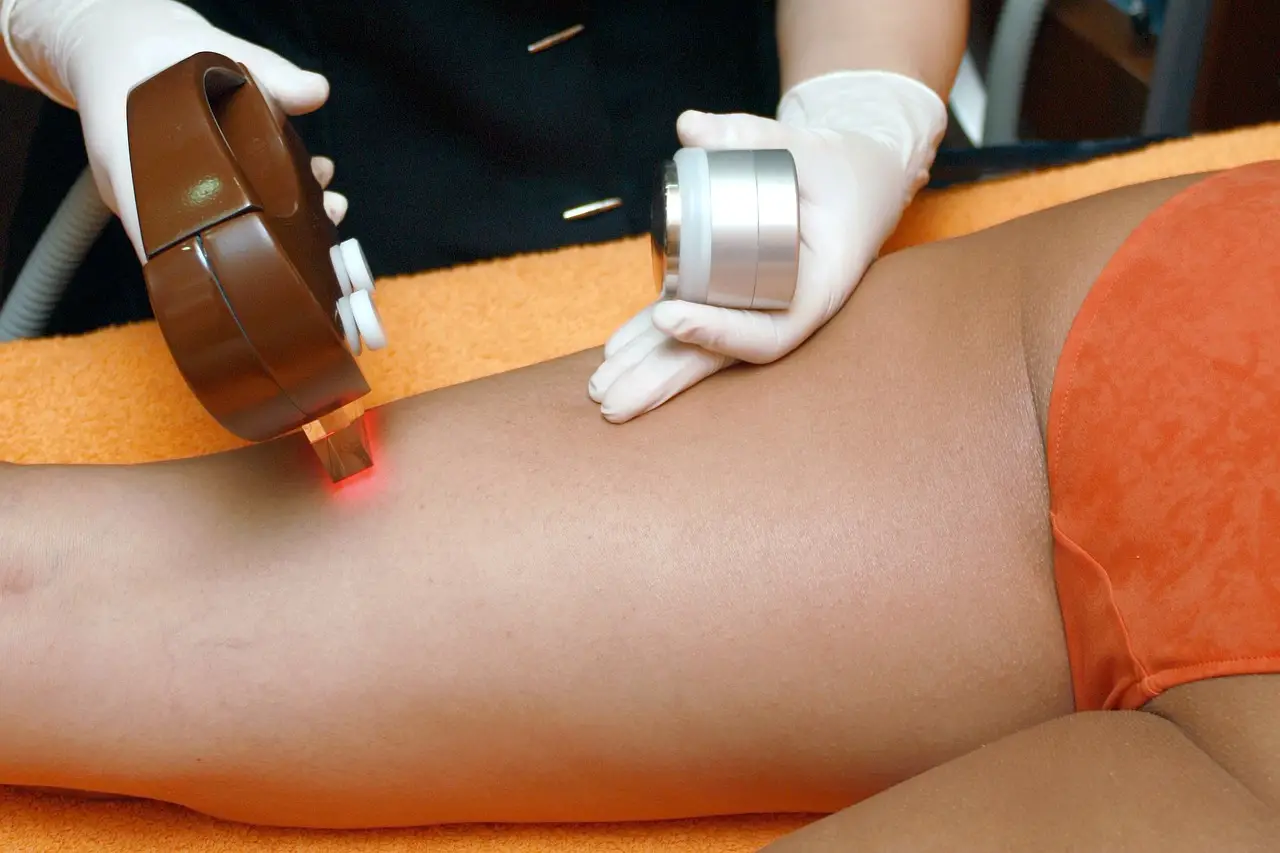
A Bridgend salon became the first in Wales prosecuted for unlawfully providing laser hair removal and tattoo removal treatments; its owner received a fine and costs totalling £8,950.
Salon operator Lady Helen Mary Morgan-Wooldridge ran Fake It - Beauty and Aesthetics, which failed to register its laser services with Healthcare Inspectorate Wales (HIW), the regulator.
What did inspectors find?
HIW told Morgan-Wooldridge in March 2025 to stop providing laser and intense pulsed light (IPL) treatments. She continued, and an unannounced enforcement visit in June 2025 found two laser devices. Treatment records showed 19 procedures had taken place since the stop instruction.
An old, invalid HIW registration certificate also remained on display at the premises. It gave clients the false impression that the salon’s laser service was registered, according to Scott Howe, HIW’s head of regulation and escalation.
Why did HIW escalate the case?
HIW issued 10 cautions over the previous four years, with most relating to unregistered laser services. This case marked the first time a provider went to court over laser services and only the second prosecution of any type of unregistered service.
Howe said: “The types of lasers that are being used in these services are very powerful. They’re quite often used for tattoo removal and laser hair removal along with some other treatments. There is potential for serious harm from these lasers, which is why it’s so important that we’re able to regulate them and inspect them.”
HIW warned that laser treatments can cause sight loss and significant burns if not used safely. It has also recorded severe burns and some sight loss following inappropriate use.
Inspectors will also check that rogue laser machines which do not meet British or European standards are not being used. HIW urged consumers to search its website for registered firms and report concerns about unregistered providers.
How large is the registered sector?
During 2025-26, 125 laser or IPL services were registered with HIW. Howe said: “We’ve got a specialised team who are all accredited detectives and investigators. It’s important that people realise that there is a safety issue here.”
HIW has renewed its call for a review as the provision of aesthetic services grows across Wales. Howe said the regulations date from 2011 and no longer reflect an evolving public market in which more people, not necessarily qualified, carry out procedures. HIW would welcome a review of legislation and regulations by the Welsh government and minister.
What regulatory changes are under discussion?
In England, the government has proposed tighter restrictions on high-risk cosmetic procedures. It has also committed to a licensing scheme for practitioners delivering botulinum toxin products, lip fillers and other lower-risk treatments. The sector welcomed the move while pressing for improvements to patient safety.
BBC Wales also sought reaction from people in Swansea. Cady Carman, 22, wanted a searchable tool showing whether providers were qualified and regulated. She cited horror stories at the opticians where she works and said eyelash-extension glue had entered her eye, leaving it red and painful before it recovered.
Mia Thomas, 24, from Merthyr Tydfil, called for more regulation and research, and suggested raising the age threshold to 25 rather than 18. She said consumers should understand what enters their bodies and question decisions influenced by Instagram, although she is not opposed to cosmetic procedures.
Abby Williams, 23, from Ammanford, said trained nurses would reassure her more, but argued any practitioner should be able to work if they follow the rules and obtain botulinum toxin or filler prescriptions safely. She also urged consumers to consider what they put into their faces.
She recalled a friend whose lip had extended up to her nose and needed the filler dissolved the next day after an awful reaction.
What has the Welsh government committed?
The Welsh government recommends consulting a suitably qualified, regulated healthcare professional before cosmetic treatment. It said nurses, pharmacists and other healthcare professionals must meet the standards of their respective regulators when prescribing or supplying cosmetic products.
Mandatory licensing already covers acupuncture, dry needling, body piercing, electrolysis, tattooing and semi-permanent makeup. The government said this scheme could inform future extensions to other procedures. BBC Wales contacted Morgan-Wooldridge for comment.
HIW’s renewed push for updated rules now sits with Welsh ministers, who must decide whether a framework written in 2011 can keep pace as aesthetic services expand.
Source — Source: Google News: Salon industry
More from Olivia Hart
Show full bio
Correspondent covering people, launches and day-to-day practice in Professional cutting, styling and color technique at Shear Daily.
75 articles