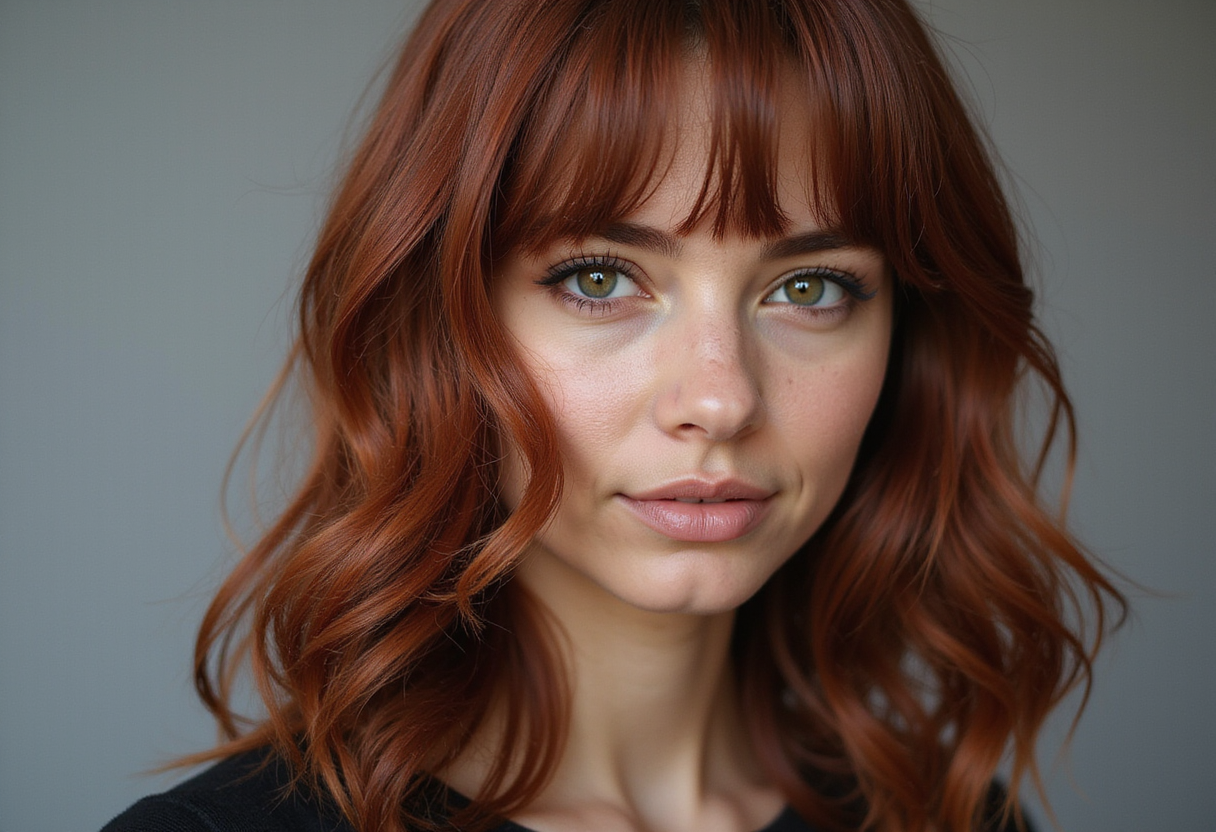
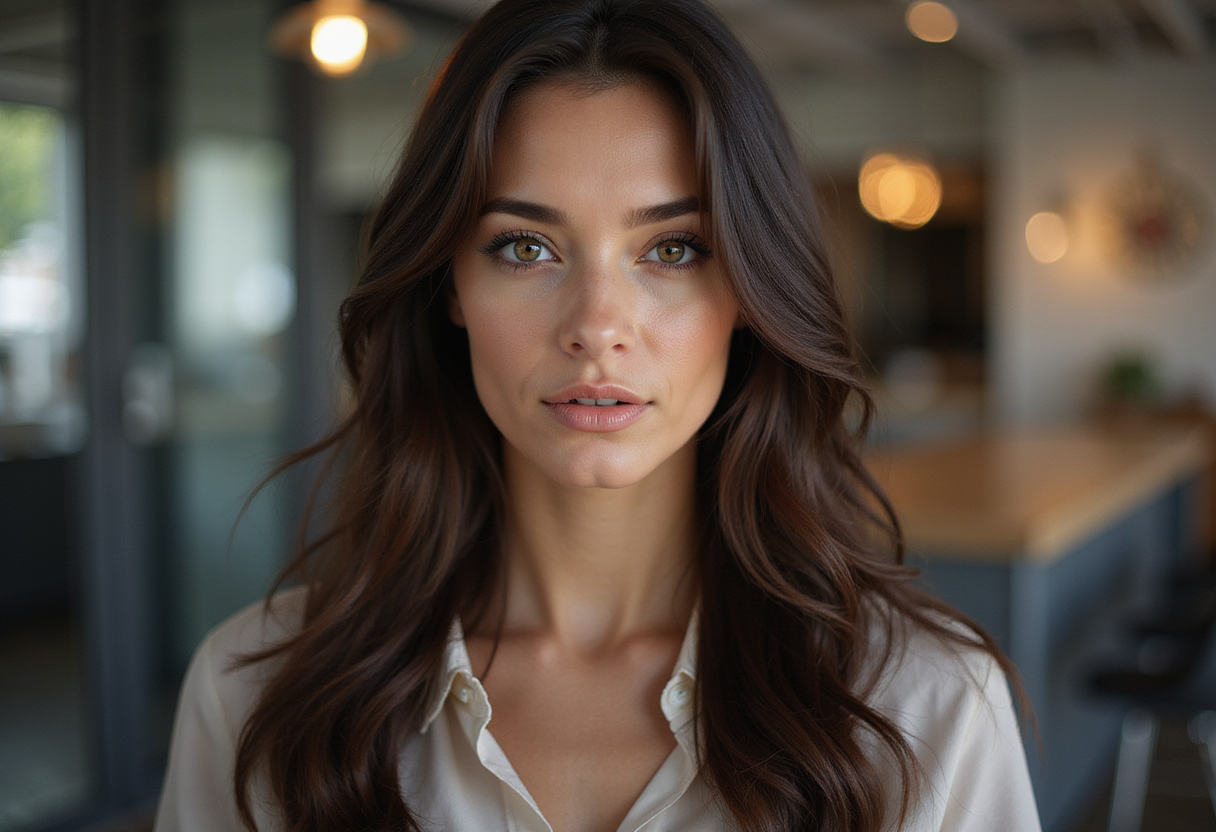
Vogue Calls Skin-Tone Hair Spring 2026's Most Subtle Trend
Vogue labeled skin-tone hair — coloring that matches strands to a client's complexion — as Spring 2026's most understated trend. The publication's spring brief lands as a directional call for U.S. salon operators.
- Words
- Olivia Hart
- Published
- Read
- 3 min read
Updated
Vogue flagged skin-tone hair — the technique of formulating haircolor to match a client's complexion rather than follow an external seasonal shade — as Spring 2026's most understated trend, per a Vogue trend piece headlined "Skin-Tone Hair Is the Most Subtle Trend of Spring 2026."
The publication's framing positions the look as a counterweight to the high-contrast, single-process statements (one-step all-over color applications) that dominated the spring 2024 and 2025 color calendars. Vogue's "subtle" descriptor signals a tonal pivot toward complexion harmony and away from visual disruption.
What does skin-tone hair actually involve?
A colorist executing the look starts with a skin-depth read — identifying whether the client's complexion runs warm (golden or peach undertones), cool (pink or blue), or neutral — then selects a base shade within one level of that depth, using the industry-standard 1-to-10 scale (1 = black, 10 = palest blonde). Tone balance and underlying pigment (the warm gold, copper, or ash base that surfaces as artificial color oxidizes and fades) drive the custom mix.
A demi-permanent application (a deposit-only formula that lifts less than permanent color and gradually washes out over roughly 20 to 28 shampoos) typically handles mid-shaft and ends, preserving translucency at the strand's outer surface. A permanent base lays the foundation at the root for seamless regrowth matching, an important detail for the eight- to twelve-week grow-out cycle most clients sit on.
The technique itself has long served as a backstage custom blend for editorial and celebrity color work. What the Vogue call adds is mass exposure. Editorially cited trends historically pull new clients into salons within six to ten weeks of publication, with at-home gloss and tone-refresh products spiking at retail during the same window.
How does this read for salon business?
Service time runs longer than a standard all-over color. Consultation alone can extend a one-hour booking to ninety minutes for clients with prior color, lifted ends, or textured hair patterns (curls, coils, or density variations that change how light reads along the strand).
Pricing historically tracks 15 to 30 percent above a base single-process service — a margin that reflects the added formulation work, smaller custom batches, and longer chair time. Front-desk teams should brief to flag any spring 2026 client mentioning "skin-tone hair" or "complexion-matched color" as a consultative request, not a stand-alone toner service, since the undertone read and porosity check (an assessment of how the hair shaft absorbs moisture) typically consume the extra slot.
Operators with a strong custom-color book can package the service as a "complexion consultation" line item, a structure that protects margin and sets client expectations from the booking call.
What's the trade read on Vogue's framing?
The magazine's "subtle" descriptor matters because that word historically correlates with broader demographic uptake across age and hair texture categories, rather than a narrow spike with one demographic. Existing clients will likely request the look by name first; new-client inquiries should build through Q2 2026. Retail interest in at-home gloss, demi-permanent toners, and purple or blue toning systems (products designed to neutralize unwanted warm or yellow tones) typically climbs within four to six weeks of the editorial mention.
The available Vogue source does not name the editorial colorists cited, specify formulation brand tie-ins, or detail regional variations of the trend across U.S. and European markets. Shear Daily will track whether major retail color brands roll out complexion-matched gloss kits — a common follow-up move after an editorial trend call — and whether U.S. salon booking data confirms the consumer shift through Q2 2026.
Source — Source: Google News: Hair color trends
More from Olivia Hart
Show full bio
Correspondent covering people, launches and day-to-day practice in Professional cutting, styling and color technique at Shear Daily.
56 articles