Stylist Blocks Client Over Tip — After Building Gratuity Into $250 Price
A stylist blocked a client for not tipping — despite building gratuity into her $250 service price, sparking viral criticism of salon tipping culture.
- Words
- Amara Osei
- Photography
- AI-generated
- Filed
- Salon Business
- Published
- Read
- 3 min read
Updated
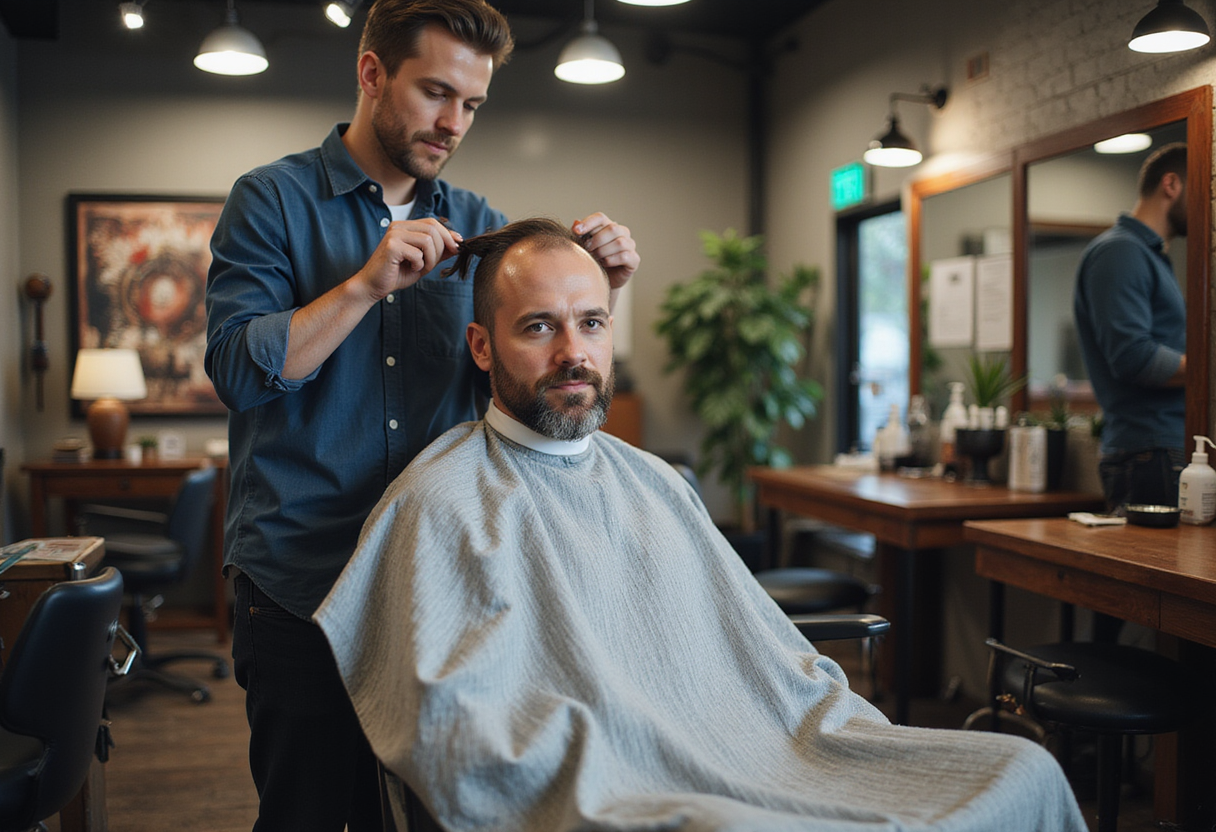
A stylist who blocked a client from booking future appointments after the client failed to tip has reignited the tipping debate — after the same stylist revealed she already includes a gratuity in her service price.
Content creator and personal finance educator Clarissa Moore went viral responding to the video, which circulated in late June 2026. In it, the stylist argued that tipping is a sign of proper decorum in the service industry and that clients who skip it risk being effectively blacklisted. She also attempted to draw a parallel between a dine-in experience and a beauty service.
The tipping math only sharpened the backlash. The stylist said 10% is an appropriate tip on a $250 service — then disclosed that she builds her tip directly into her service pricing, meaning an additional gratuity would sit on top of an already tip-inclusive rate.
Why did the disclosure land so badly?
The industry has long split on the question. Some clients and pros treat a tip of at least 20% as standard etiquette. Others see tipping as voluntary — a token of appreciation contingent on the level of service received, not an automatic surcharge.
Few would object to a stylist raising prices to reflect the quality of work or the time a service takes. But critics say charging a built-in gratuity and then expecting more money on top crosses a line, and that the practice reads as predatory.
Clients have reported a pattern of pressure tactics over the years:
- Feeling obligated to tip after leaving unhappy with a service
- Paying deposits that are not applied to the final balance before being asked for a gratuity
- Facing booking blocks, as in this case, after a no-tip visit
For clients on the receiving end, a stylist demanding a tip on top of a tip-inclusive price, as HelloBeautiful's Tatayana Yomary put it, "can feel like a punch to the gut."
Who actually depends on tips?
The economics differ sharply by business model. Tipping genuinely matters for beauty service providers who cannot set their own prices — a hair colorist working in a salon, a manicurist, a lash tech. Their base compensation often depends on the gratuity.
Independent business owners are a different case. If you control your pricing, the argument goes, it is your responsibility to charge rates that cover your costs and your labor — not to rely on clients to bridge the gap through guilt or obligation. That pressure lands on clients already stretched by rising service prices across the board, and many cannot absorb both higher rates and a hefty tip.
What replaces the tip?
The tension around tipping culture may never fully disappear. But providers who read the room have other avenues for building value: a first-time client becoming a loyal regular, and a clientele growing through word-of-mouth referrals.
As service prices keep climbing, the stylists who price transparently — rather than layering expected gratuities on top of gratuity-inclusive rates — are the ones most likely to keep clients booking.
Source — Original: hellobeautiful.com
More from Amara Osei
Show full bio
Market editor covering industry trends and analytics at Shear Daily.
19 articles