Ringworm Cases Traced to Barbers Trigger Skin Fade Warning
Health warnings link ringworm infections to barbershops, with skin fades flagged as a risk. The cause is clipper hygiene, not the cut itself.
- Words
- Amara Osei
- Photography
- 13758299 / pixabay
- Filed
- Barbering
- Published
- Read
- 3 min read
Updated
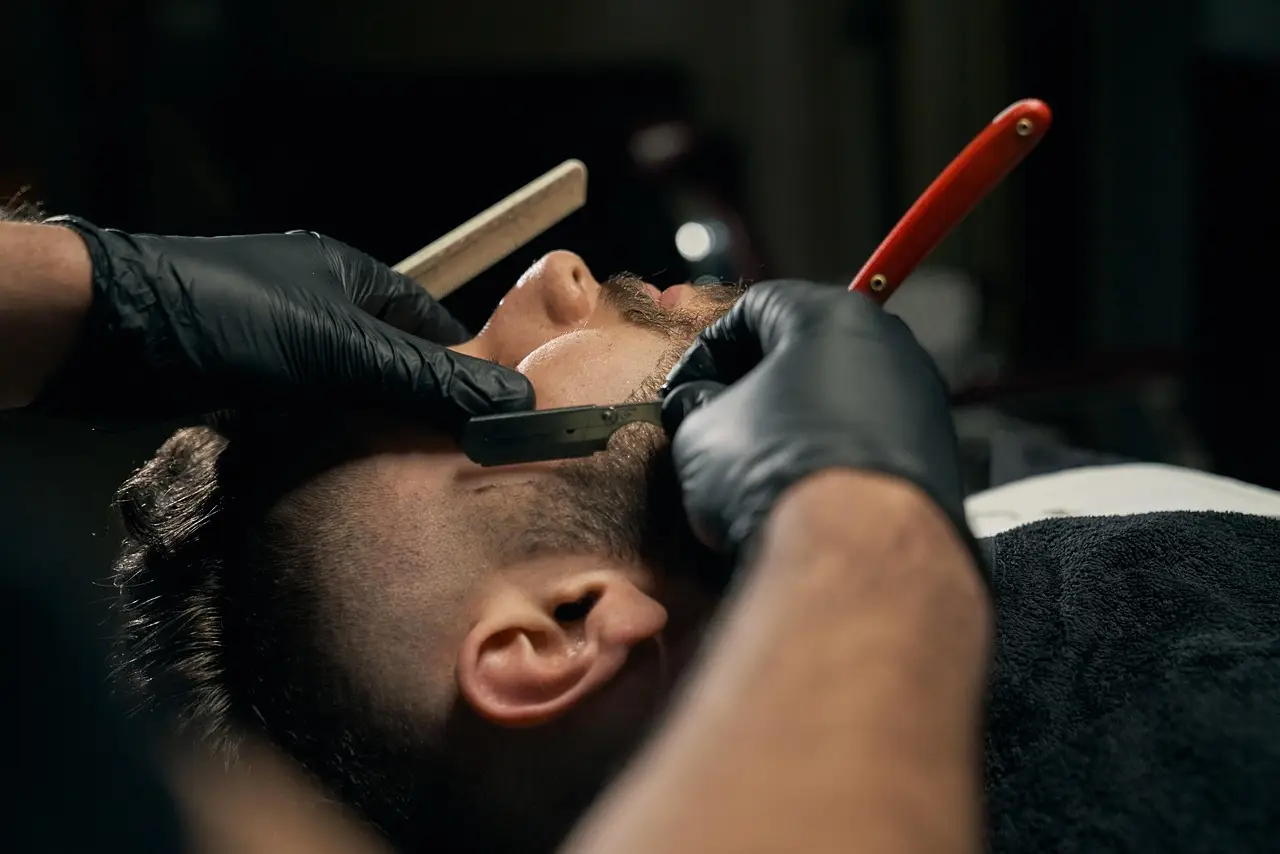
Public health warnings are being issued over ringworm infections traced to barber shops, with the skin fade — the close-shaved cut that leaves the scalp nearly bare at the sides — named as a specific risk pattern in BBC reporting on the cases.
Ringworm is a fungal infection, not a worm. On the scalp it takes the form of tinea capitis; on the skin, tinea corporis. Both spread through contact with contaminated surfaces, tools or skin, and both thrive in exactly the conditions a busy barbershop creates: shared clippers, tight appointment turnover and clients sitting head-to-head in the same chair.
Why does the skin fade raise the stakes?
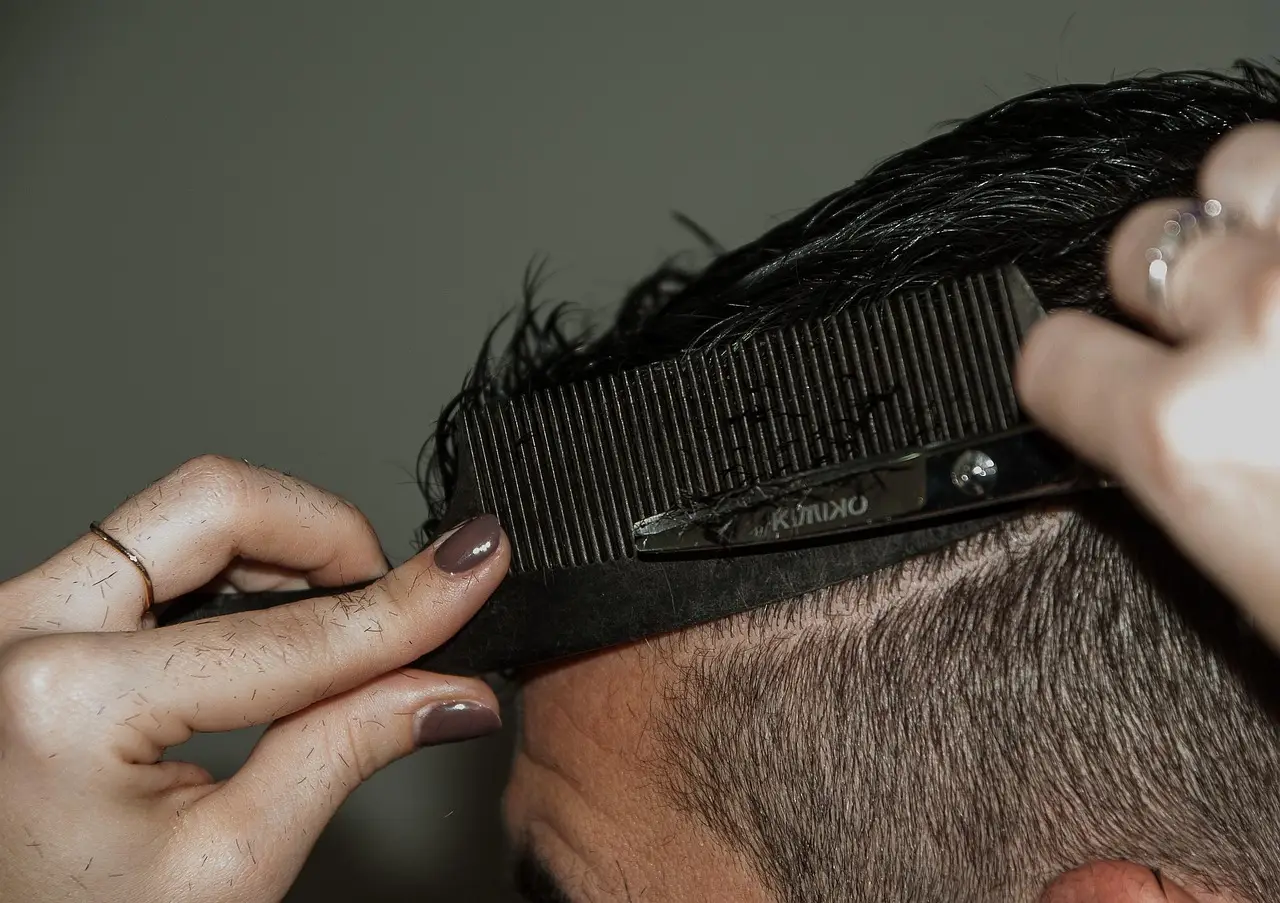
A skin fade demands the clipper to ride almost directly on the scalp, often with no guard or a very low one, to blend the hair down to the skin at the neck and ears. That contact matters. Zero-guard and freehand clipper work can abrade the skin microscopically, and any abrasion gives the fungus a route in.
The technique also removes the protective barrier of hair itself. Hair length isn't hygiene, but a near-bare scalp exposes skin directly to whatever sits on the clipper teeth, the cape or the chair. Clients with cuts, eczema or existing scalp conditions carry higher risk still.
The infection doesn't announce itself immediately. Signs typically appear days after the haircut: scaly, itchy, ring-shaped patches, sometimes with hair breakage or bald patches on the scalp. Cases in children are particularly common, because tinea capitis spreads fast in that group.
What should barbers and clients actually do?
The warning cuts both ways — toward the shop and toward the customer.
For barbers, the standard toolkit is the answer:
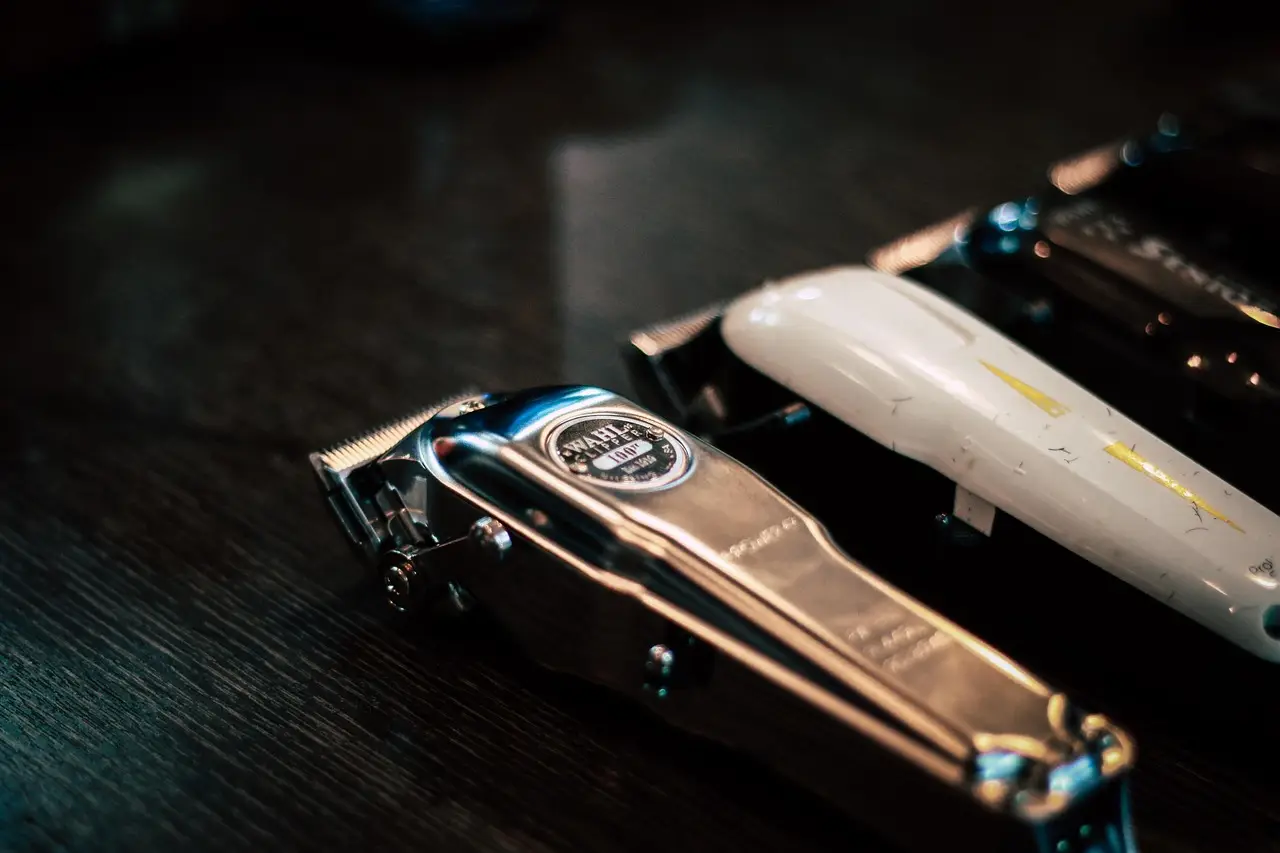
- Barrier-clean clipper blades between every client, not just at the end of the day
- Disinfect or replace guards, combs and brushes on the same cycle
- Wash capes and towels at high heat between uses
- Refuse or reschedule clients with visible scalp lesions — and say why
For clients, the checks are simpler. Look at the blade before it touches your head. Ask when it was last disinfected. If you spot an itchy, scaly patch within a week or two of a haircut, see a pharmacist or GP rather than scratching through it, because untreated tinea capitis can cause lasting hair loss in the affected patches.
Treatment exists and works: antifungal creams handle most skin cases, while scalp infections usually need oral antifungal tablets prescribed over several weeks. Early diagnosis shortens that course considerably.
Does this mean skin fades are unsafe?
No — and that's the point worth pinning down. The risk sits in tool hygiene, not in the cut itself. A skin fade done with properly disinfected equipment is no more dangerous than any other service on the menu. The warning, as reported, is a prompt to tighten disinfection routines as the skin fade's popularity keeps clipper-to-skin contact at the centre of everyday barbering.
Expect hygiene standards in barbering to draw more attention as these cases circulate, and shops that can show a visible, per-client cleaning routine are the ones likely to keep client trust through it.
Source — Source: Google News: Barbershop industry
More from Amara Osei
Show full bio
Market editor covering people, launches and day-to-day practice in Professional cutting, styling and color technique at Shear Daily.
70 articles