Pantethine shows promise against psoriasis in mice and humans
Chinese researchers found that pantethine, a vitamin B5 derivative sold as a supplement, reduced psoriasis in mice and improved symptoms in a 24-patient trial, but larger studies remain necessary.
- Words
- Olivia Hart
- Photography
- HeungSoon / pixabay
- Filed
- Scalp & Trichology
- Published
- Read
- 4 min read
By Olivia Hart
Pantethine, a vitamin B5 derivative sold as a nutritional supplement, prevented psoriasis development in mice and showed greater symptom improvement in a 24-patient trial when added to standard ointment, Chinese researchers reported Oct. 27, 2026.
The study examined dendritic cells, specialized immune cells that capture antigens (foreign substances), present them to T cells (immune cells that recognize specific threats) and release chemical signals that recruit other immune cells. Their normal defensive role can become excessive and sustain the inflammation associated with psoriasis and other autoimmune diseases.
Researchers found unusually high levels of enzymes called Vanins in dendritic cells from people with psoriasis and several other autoimmune diseases. Vanins regulate the processing of substances involved in cellular metabolism.
Wei-Na Zhang, a researcher at the State Key Laboratory of Biomedical Analysis in Beijing, led the study with Qing Xia, Ai-Ling Li and Tao Zhou at the same laboratory, and Cheng-Xin Li at The First Medical Center of Chinese PLA General Hospital in Beijing.
Zhang said emerging evidence links metabolic pathways and their metabolites to immune-cell function and autoimmune progression, while treatment strategies targeting metabolism in inflammatory diseases remain underexplored.
“We found that pantethine administration effectively alleviated psoriasis in mice, suggesting that insufficient pantethine levels may be the crucial contributor to hyperactivation of dendritic cells and autoimmune inflammation following the up-regulation of Vanins,” Zhang said.
When scientists lowered Vanin levels, dendritic cells became less active and less able to stimulate T cells. A drug designed to inhibit Vanins also prevented psoriasis from developing in mice.
How did cholesterol alter immune activity?
Vanins convert pantethine into vitamin B5, an essential nutrient that cells need to produce energy. Pantethine is already sold as a nutritional supplement and commonly used to help lower blood cholesterol because it can reduce cholesterol production.
The study notes that cholesterol also affects immunity: prior research has shown that it can stimulate dendritic-cell activity, while elevated blood cholesterol is a major risk factor for developing psoriasis. The team found that excessive Vanin activity reduced the pantethine available inside dendritic cells. As pantethine levels fell, cholesterol production rose and the immune cells became unusually active.
Restoring pantethine interrupted that sequence. It reduced cholesterol accumulation inside dendritic cells and suppressed the excessive immune activation associated with inflammation, the researchers reported.
What did the 24-patient trial show?
The investigator-initiated trial enrolled 24 patients with psoriasis:
- All 24 received topical calcipotriene/betamethasone ointment, a combination used to control symptoms. Calcipotriene is a vitamin D derivative that regulates skin-cell growth; betamethasone is a corticosteroid that reduces inflammation.
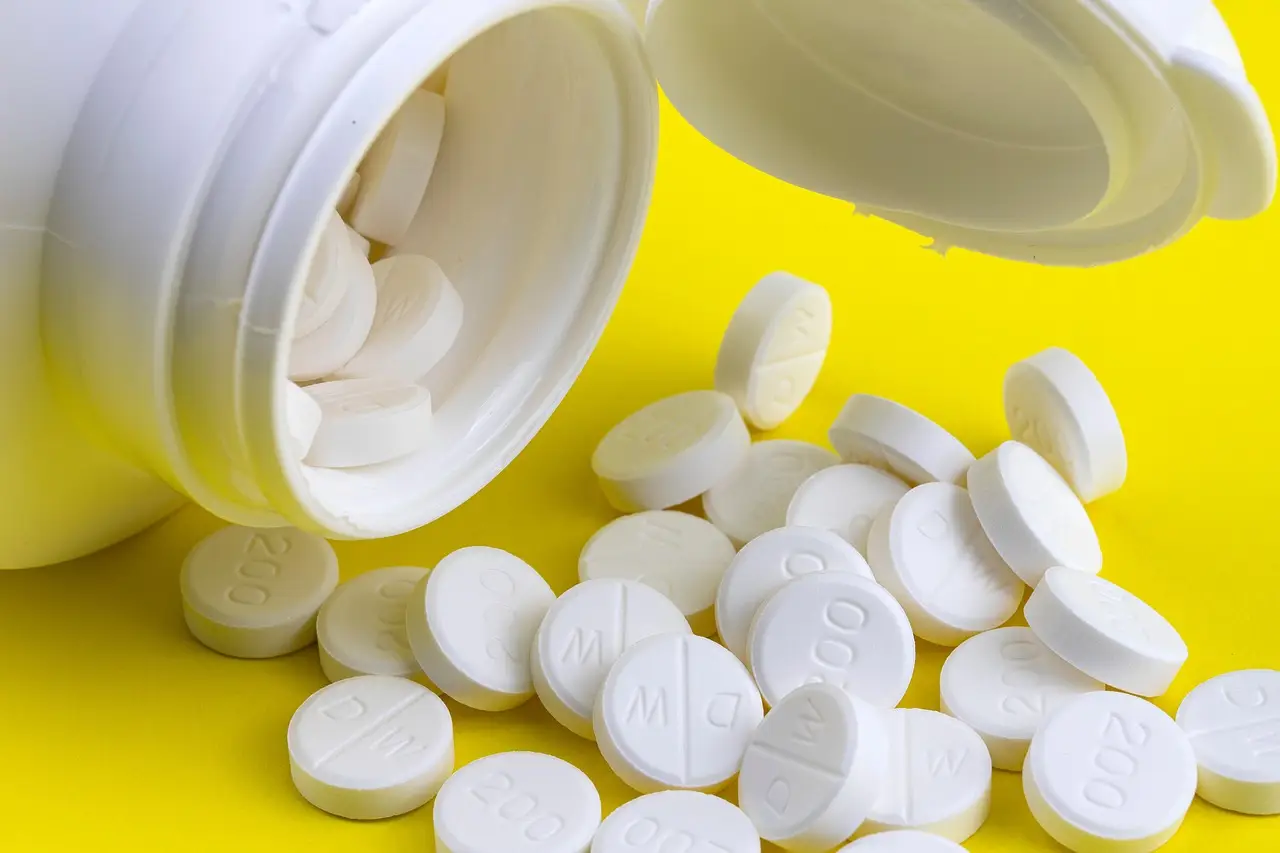
- Half, or 12 patients, also took pantethine tablets; the remaining 12 received the ointment without pantethine.
- After 12 weeks, the pantethine group showed greater improvement in psoriasis symptoms than the ointment-only group.
- The advantage was especially noticeable among participants who entered the trial with high blood cholesterol.
The results suggest pantethine could complement existing treatment, particularly where disturbed cholesterol metabolism contributes to inflammation. The human findings did not establish that the mechanism observed in laboratory experiments caused the improvement in patients.
What does the trial not prove?
Because the trial included only 24 people, the researchers said larger studies are necessary to confirm the supplement’s effectiveness.
“Our investigator-initiated clinical trial demonstrated encouraging therapeutic efficacy of pantethine as an adjunctive therapy in psoriasis, but these findings should be interpreted as proof-of-concept for clinical feasibility rather than direct mechanistic validation,” Zhang said.
Zhang also characterized the Vanin-pantethine-cholesterol axis as a key metabolic pathway governing dendritic-cell activation and a foundation for therapeutic strategies addressing several dendritic-cell-mediated autoimmune diseases.
The Journal of Experimental Medicine published “Vanin-pantethine metabolic axis shapes dendritic cell function and affects inflammatory disorder progression” in volume 223, issue 11 of its 2026 series, under DOI 10.1084/jem.20252558.
The named authors are Ai-Ping Cao, Jun-Cheng Li, Rui Wang, Yun-Ying Wang, Nan Wu, Yan-Hong Liu, Zhi Jin, Jia-Yu Liu, Yan-Yan Shen, Yue Guo, Qi Qi, Yao Wang, Rui-Bo Wang, Bo-Yang Xie, Chun-Yan Yan, Qiu-Ying Han, Shao-Yi Huang, Sheng-Ming Wu, Na Wang, Xin Pan, Cheng-Xin Li, Tao Zhou, Ai-Ling Li, Qing Xia and Wei-Na Zhang.
Larger studies will need to test whether pantethine can complement standard psoriasis treatment, especially in people with high cholesterol, and confirm whether the metabolic mechanism operates in patients.
Source — Source: sciencedaily.com
More from Olivia Hart
Show full bio
Correspondent covering people, launches and day-to-day practice in Professional cutting, styling and color technique at Shear Daily.
75 articles