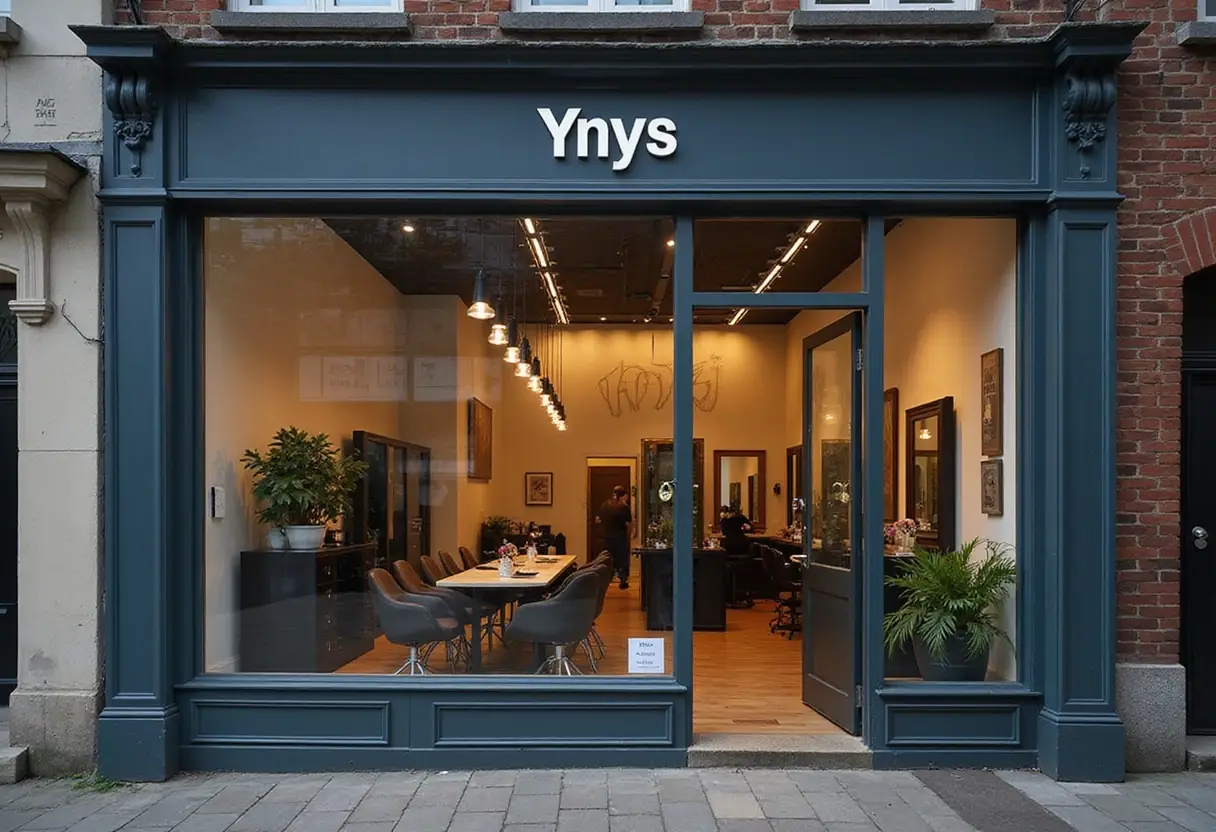
A $20 Bang Trim, an $8 Surcharge, and the Rise of the Salon Green Fee
A $20 bang trim at a Brooklyn salon carried an $8 mandatory "environmental service fee" buried in policy pages — and roughly one in four U.S. salons now charge a green fee.
- Words
- Priya Raman
- Photography
- alexkrasovsky / pixabay
- Filed
- Salon Business
- Published
- Read
- 3 min read
By Priya Raman
A $20 advertised bang trim at Brooklyn's Hair & Co BKLYN came with an $8 mandatory "environmental service fee" the customer only discovered at checkout — and by the time she followed up months later, the salon had raised it to $9.
Business Insider senior correspondent Emily Stewart booked the trim after price-shopping: the salon near her office charged $40, Hair & Co advertised $20. On the walk from the subway she filled out a pre-visit form by text link without reading it — by then the cancellation fee already applied. At the register, the $8 line item appeared. A stylist called it an "environmental service fee" that should have been in the confirmation email, and waived it that one time.
Here's what that means for salon clients: the fee wasn't in any email body or text Stewart could find, the form link had expired, and the only disclosure on the website sat under "services," then "policies," scrolled halfway down — directly above a section on transparent pricing.
Where does the fee actually go?
The website credited the charge to the salon's membership in Green Circle Salons, a waste-recovery and recycling program for beauty businesses. But Green Circle confirmed by email that Hair & Co's program was "currently paused." Green Circle's own site is candid about the economics: "Most salons turn sustainability into an additional revenue stream," and it offers owners a calculator to project income from a "Green Fee."
Owner Allyson Hurley said the salon had since found a "better service" than Green Circle, that the fee applies to every client as a cost of doing business, and that it was spelled out in the signed form. She said post-pandemic expenses had climbed significantly and folding the fee into the base price "would make it too expensive" — she wanted to "keep it affordable." In a later follow-up, she called the fees a "necessary part of business" for a small NYC operator, noting Hair & Co is "one of the few salons with limited price increases" and offers employee benefits.
The catch: the fee is mandatory, so it's simply part of the price. A $28 trim with $8 earmarked for waste management would be honest all-in pricing. The question is why the first number a client sees is $20.
How common is this in salons?
One recent industry survey found about one in four salons nationwide pass a "green fee" to clients, averaging $2.98. Hair & Co's $8–$9 sits well above that.
The backdrop is bigger than beauty. Americans pay more than $90 billion a year in junk fees by one estimate, and Stanford economist Neale Mahoney traces the spread to three forces: revenue-maximizing tactics diffusing across industries, the rise of online booking (which creates more places to bolt on fees), and inflation-driven cost pressure — while "the laws have not caught up," he said. Research shows people buy and spend more when fees surface at the end of a purchase rather than up front. Late disclosure, Mahoney said, "throws sand in the gears" of price comparison. Columbia marketing professor Vicki Morwitz added: "We think it'd be such a hassle to start all over again, and we overestimate how much effort it would be."
Regulators are moving. The FTC implemented an all-in pricing rule in 2025 covering ticketing and hospitality platforms like Ticketmaster, StubHub and Airbnb; California requires all-in pricing for businesses statewide, exempting restaurants. New York City's Department of Consumer and Worker Protection has a pending rule barring misrepresentation of fees and requiring them in advertised prices — not yet in force. Stewart filed a complaint the day of her visit; her case remains unanswered.
Since her visit, Hair & Co removed Green Circle references from its site, now attributes the fee to water-conserving showerheads and color management software, and charges $9.
If NYC's all-in pricing rule takes effect, the $20 trim will have to be advertised at what it truly costs.
Source — Source: feeds.businessinsider.com
More from Priya Raman
Show full bio
Senior reporter covering money, funding and market shifts around Professional cutting, styling and color technique at Shear Daily.
85 articles